The Realest Photos You'll Ever Own: Why Families Are Skipping the Studio and Hiring Passionate Amateurs
The Realest Photos You'll Ever Own: Why Families Are Skipping the Studio and Hiring Passionate Amateurs
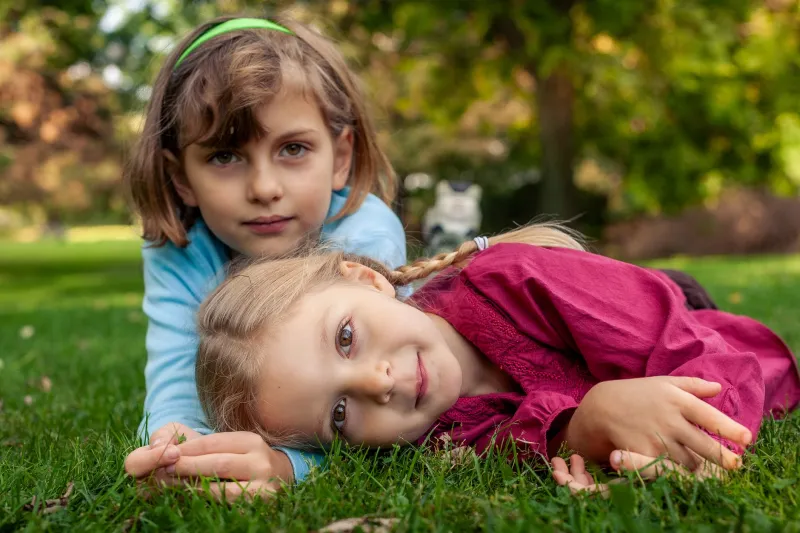
There's a photo sitting on Denise Calloway's refrigerator in Columbus, Ohio. It's slightly underexposed. The background is cluttered with lawn chairs and a half-deflated kiddie pool. Her youngest daughter is mid-laugh, mouth wide open, popsicle juice running down her elbow. Denise didn't hire a professional photographer for that moment. She hired Marcus, a guy from her neighborhood who'd been posting his work in an online photography community for about two years.
"I've spent hundreds of dollars on studio portraits," Denise says. "And I love them. But that picture Marcus took? That's actually us. That's my kid. That's our summer."
Stories like Denise's are becoming more and more common across the country. A quiet but meaningful shift is underway in how American families think about documenting their lives — and it's being driven, in large part, by the rise of online photography communities where amateurs and hobbyists share, grow, and connect.
What's Actually Worth Photographing?
For a long time, the cultural script was pretty clear: you hire a photographer for weddings, graduations, newborn shoots, maybe a family portrait every few years. Everything else — the Tuesday night dinners, the first wobbly bike ride without training wheels, the way grandpa falls asleep in his recliner during the game — those moments were left to phone cameras and fuzzy memories.
But something has changed. Families are starting to recognize that the in-between moments are often the ones that hit hardest years later. The ordinary, unglamorous, completely unrepeatable texture of everyday life.
And they're finding photographers who feel exactly the same way.
Amateur photographers — people who shoot because they genuinely love it, not because it's their full-time hustle — often bring a different energy to these sessions. They're not racing through a shot list or managing a packed calendar. They're curious. They're patient. They notice the way afternoon light falls across a kitchen table, or the way a toddler grabs a grandparent's hand without thinking about it.
How Online Communities Are Making the Connection
Platforms where photographers share and discuss their work have become unexpected matchmakers between families and image-makers. A parent scrolls through a community feed, spots a photo that makes their chest feel tight in the best possible way, and thinks — I want someone who sees the world like that to photograph my family.
It's a different kind of vetting process than reading Yelp reviews. When you've watched someone's work evolve over months, seen what they choose to photograph, read how they talk about light and composition and the stories behind their shots — you get a real sense of who they are as an artist. And often, as a person.
Jamie Okafor, a hobbyist photographer based outside of Atlanta, booked three family sessions last spring entirely through connections he made in online photography communities. None of them were formal transactions at first. Two started as conversations about his photos.
"One mom messaged me saying she'd been following my work and loved how I shot her friend's backyard birthday party," Jamie recalls. "She asked if I'd do something similar for her family — just a regular Saturday afternoon at their place. No pressure, no formal setup. I said yes immediately. Those ended up being some of the most meaningful images I've ever made."
Jamie charges modest rates — far below what a seasoned professional might ask — and he's upfront that he's still learning. But the families who seek him out aren't looking for technical perfection. They're looking for someone who sees what they see.
The Emotional Weight of Imperfection
There's a reason the blurry photo of your grandma laughing at Thanksgiving hits different than the professionally staged portrait from the same year. Imperfection carries information. It tells you something was real.
Amateur photographers, by nature, aren't always working with the best gear or the most controlled environments. But that can actually work in their favor when it comes to documentary-style family sessions. The grain, the slight blur of motion, the imperfect framing — these qualities can make an image feel lived-in rather than constructed.
Several families who've gone this route describe the resulting photos as feeling more like evidence than art. Evidence that this specific day happened. That these specific people were together. That this ordinary afternoon was, in fact, extraordinary.
Carla Mendes, a grandmother in Phoenix, was photographed by her granddaughter's college roommate — a photography student who'd been building her portfolio through a community platform. The session took place on a regular Wednesday. Carla was in her garden. Nobody was dressed up.
"My granddaughter showed me the photos and I just cried," Carla says. "I didn't think I was doing anything special. I was just pulling weeds. But in those pictures, I look like myself. I look like I belong to my life."
What This Means for the Photography Community
This trend is genuinely exciting for anyone who cares about photography as a craft and a community. It creates real opportunities for amateurs to build experience, confidence, and connection — without the pressure of presenting themselves as something they're not.
It also pushes back against the idea that photography is only valuable when it's polished and professional. Some of the most powerful images ever made were captured by people with modest equipment and enormous hearts. The same is true at the neighborhood level.
For photographers sharing their work online, there's a growing audience of families who are paying attention — not just casually scrolling, but genuinely looking for someone whose eye resonates with them. Your portfolio isn't just a gallery. It's an introduction. It's proof of how you see the world.
And for families? The invitation is to stop waiting for the right occasion. The backyard barbecue is the occasion. The bike without training wheels is the occasion. The grandparent who won't be there forever, laughing at something on the porch — that's absolutely the occasion.
Your Lens, Their Story
At MyFotoRoom, we see this happening in our own community all the time. Photographers posting a candid from a neighbor's cookout. Families commenting that they want exactly that feeling captured for their own lives. Connections forming, sessions happening, images being made that will outlast all of us.
That's what photography communities are for, at their best — not just admiration from a distance, but real-world bridges between people who make images and people who need them.
The next heirloom in your family might not come from a studio. It might come from someone in your community who just really, genuinely loves to take pictures — and happened to be paying attention on an ordinary afternoon when something worth remembering was happening right in front of them.